
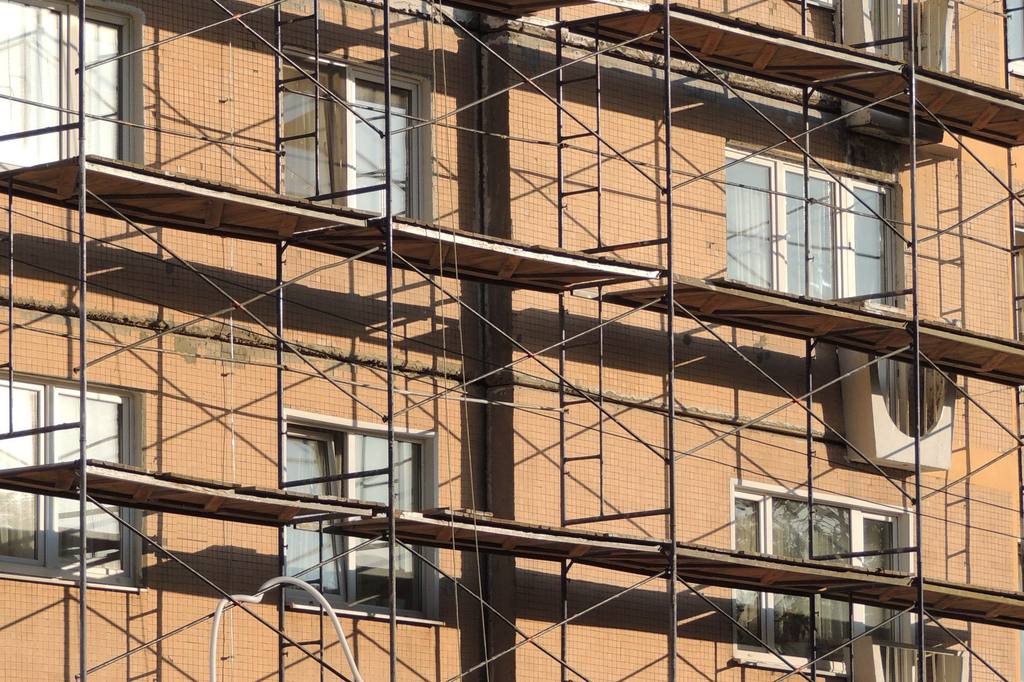
Photo by Viktor Dmitrovich on Pexels.
"While we are here" is the most expensive sentence on a London extension. Sometimes the extra is genuine - soft ground, a buried drain, a client who upgrades the bi-fold. Sometimes it is a rebuild of a quote that was never complete. This guide explains how to run variations so that every pound of drift is visible, agreed and dated before the work starts. Sources were checked on 28 October 2026.
Put the variation rule in the contract on day one
Before the deposit clears, the contract should say, in plain English:
- No variation is authorised unless it is described, priced (labour and materials) and signed or confirmed by email before the work begins.
- Day rates and material mark-ups for extras are stated up front.
- Client-requested changes and unforeseen statutory requirements are handled differently from builder omissions.
- The programme impact of each variation is noted, so delay claims do not appear from nowhere at the end.
A JCT Home Owner / Occupier contract and similar domestic forms already contemplate instructions and variations; use them rather than a one-page email quote with no change mechanism. Under the Consumer Rights Act 2015, services must be performed with reasonable care and skill - but your best protection is still a paper trail that shows what was agreed when. If you are buying from a doorstep or home visit, remember the Consumer Contracts Regulations 2013 may also give you a 14-day cancellation right on the original contract.
Separate genuine unknowns from a thin original quote
Published cost guides such as Checkatrade's house extension guide (June 2026 type table: about £1,800 to £3,000 per m² nationally) and HomeOwners Alliance (London single-storey often cited from about £2,300 to £3,400 per m²) assume a defined scope. They also warn homeowners to keep a contingency - commonly around 10 per cent - for soft ground, drain diversion or asbestos. That contingency is for unknowns, not for the builder to rediscover the steel that should have been in the first price.
Ask, early:
- Was a site investigation or trial hole included?
- Are Party Wall surveyor fees, building control and scaffolding inside or outside the figure?
- Is VAT included?
- What happens if the engineer upgrades a beam after opening up?
- Are drainage connections assumed or surveyed?
- Who pays if matching bricks take six weeks to arrive?
A quote that sits far below two others without a thinner specification is often the one that grows through "extras". Compare like for like before you celebrate the bargain.
How to process a variation without losing a week
- Builder issues a short written description with a fixed price or a capped day-rate estimate.
- You accept, reject, or ask for an alternative, in writing.
- Only then does the work proceed; photographs bookend the change.
- The variation number appears on the next valuation so the running contract sum stays honest.
If the builder has already done the work "to keep the programme", you are negotiating backwards. Reserve the right in the contract to refuse payment for unauthorised extras. Keep a simple spreadsheet of original sum, approved variations and forecast final account - update it every week - and share the latest total with the builder so nobody is surprised at practical completion.
Client upgrades versus builder-driven changes
Upgrading glass, flooring or a kitchen after seeing the space is your choice - price it cleanly. Builder-driven changes should come with evidence: an engineer's sketch, a building-control email, or a photo of the unforeseen condition. "We always do it this way" is not evidence. Citizens Advice's guidance on getting work done on your home is clear that you should agree the details in writing and be wary of traders who push for quick decisions once they are on site. If building control truly requires a change, ask for that requirement in writing before you fund it.
Payment, deposits and leverage
Citizens Advice advises keeping deposits as low as possible and not agreeing more than 25 per cent. Tie stage payments to the original milestones; do not let variations be used as a reason to bring forward large sums. Prefer credit-card payment for significant amounts where Section 75 of the Consumer Credit Act may assist. Match every payee to the limited company on Companies House. Confirm any TrustMark claim on TrustMark's own register before the deposit leaves your account. Photograph each milestone before you authorise the related payment.
Party Wall, neighbours and variations you did not expect
Many London extensions trigger the Party Wall etc. Act 1996. Surveyor awards can require particular methods of work, temporary protection or making good that were not priced in a casual email quote. Treat Party Wall requirements as potential variations with their own line items, and ask who pays the adjoining owner's reasonable surveyor fees. HomeOwners Alliance has long cited party wall agreement costs that commonly sit around £1,000 and rise with complexity - budget explicitly rather than discovering the figure mid-dig. Neighbour objections that force a redesign are also variations: pause, re-price, then restart. Do not let goodwill with a neighbour become an open cheque to the builder.
When a variation becomes a dispute
If you and the builder disagree about whether work was authorised, gather the contract, emails, photographs and valuations, then take advice early - Citizens Advice, a solicitor, or a surveyor for a brief expert view. Do not keep paying "under protest" without recording that protest in writing. Small claims and mediation exist for a reason, but they work better when the paper trail is tidy. Stopping unauthorised work is often cheaper than arguing about it after the plasterboard is up.
Red flags
- Extras announced verbally at the end of the day with a request for cash tomorrow.
- A running total that the builder will "finalise at the end".
- Refusal to price labour and materials separately on changes.
- Threats to demobilise unless an unagreed variation is paid in full immediately.
- A first quote that was dramatically cheaper than two others and is now catching up through extras.
- Claims that building control "said so" with no email or inspection note to show you.
A well-run extension changes - London ground and period houses make sure of that. What it should never do is change in the dark. If a contractor cannot explain an extra on one page before they start it, do not fund it.
What to do if things go wrong
Keep a single folder - digital is fine - with the contract, every quote, every variation, photographs with dates, and every payment reference. Write to the trader clearly setting out what is wrong and what you want fixed, and give a reasonable deadline. Under the Consumer Rights Act 2015 you can ask for a repeat performance of a service that was not carried out with reasonable care and skill, and in some cases a price reduction. If the firm is TrustMark registered, use the scheme's complaints route. For suspected fraud or intimidation, contact the Citizens Advice consumer service on 0808 223 1133 or Report Fraud; call 999 if you are at immediate risk. Card payments should be raised with the issuer promptly while evidence is fresh. Do not keep paying "to keep them sweet" without a written plan for completion.
Sources checked on 28 October 2026: Checkatrade, House extension cost (June 2026); HomeOwners Alliance, House extension costs; Citizens Advice, Before you get work done on your home; Consumer Rights Act 2015, section 49. Ranges are published guide figures, not quotations. Nothing here is legal or surveying advice.
Quick answers
Does a builder have to price extras before doing them?
You should insist on it in the contract. Without a written variation, you lose control of the final account. Agree that no extra work is payable unless priced and confirmed in writing before it starts, except genuine emergencies you have authorised.
What counts as a variation rather than bad quoting?
Unforeseen ground conditions, asbestos, or a client-chosen upgrade are classic variations. Forgotten preliminaries, missing steel or "we always have to dig deeper here" without evidence often mean the original quote was incomplete - challenge it.
Can I refuse an extra?
Yes, for anything that is not required for a safe, regulation-compliant build of the agreed design. If the builder says building control will not pass the job without a change, ask for that in writing from the inspector or approved inspector, then price the option.
How big should my contingency be?
HomeOwners Alliance and Checkatrade both commonly point homeowners toward around 10 per cent for unknowns such as soft ground, drain diversion or asbestos. That contingency is for genuine unknowns - not for rebuilding a quote that left out the steel.